

Before wiring money into a property overseas, most serious investors ask the same question: is this country actually safe for my capital? For the Dominican Republic, U.S. investors don’t have to rely on marketing claims to answer that — they can check their own government’s assessment. The U.S. Department of State and the U.S. Department of Commerce’s International Trade Administration (ITA) jointly publish an annual Investment Climate Statement, a country-by-country review of legal protections, property rights, security conditions, and business risk for U.S. capital abroad. Here’s what the 2025 edition says about the Dominican Republic, and what it means for anyone evaluating a real estate purchase in the Bayahíbe–Dominicus region — the same corridor covered in our overview of real estate investment in the Dominican Caribbean.
What does the U.S. Government actually say about investing there?
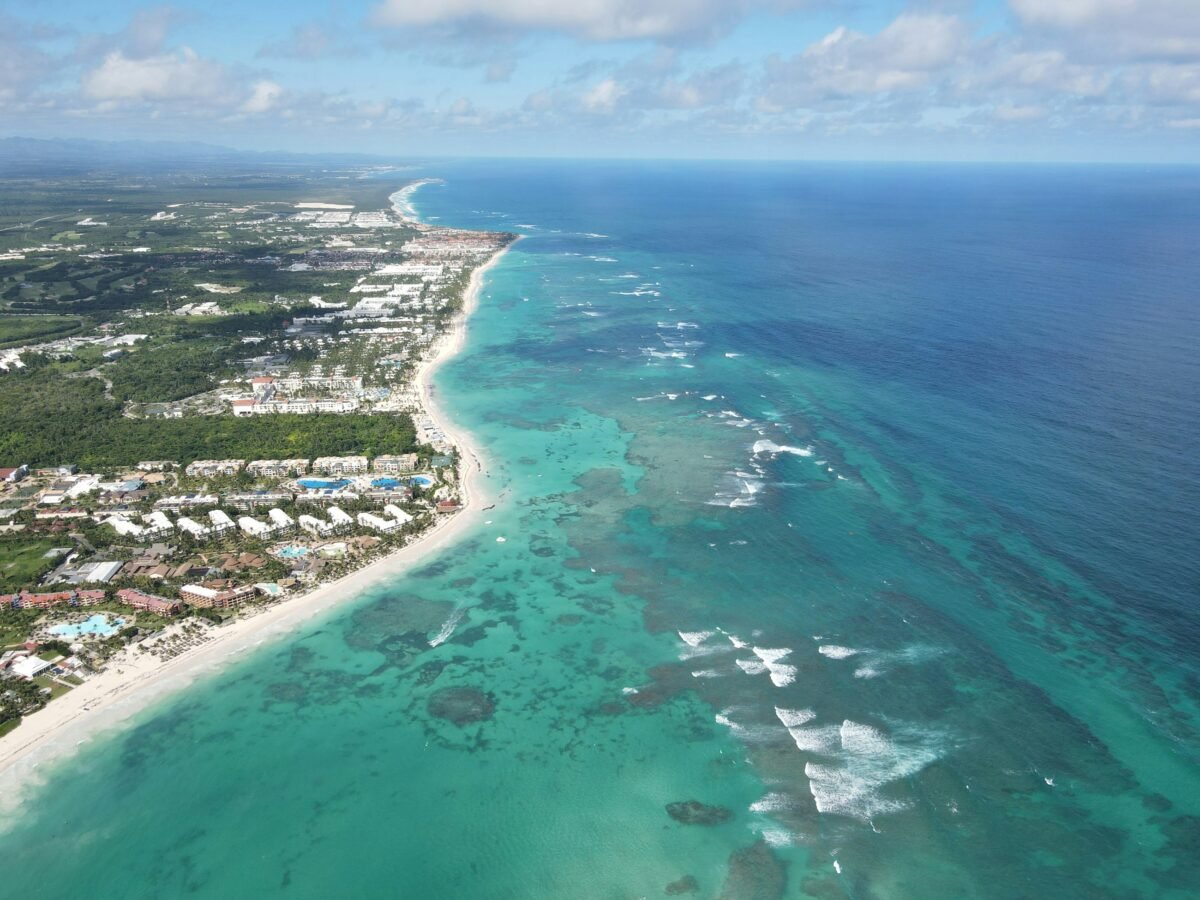
The Investment Climate Statement describes the Dominican Republic as an upper middle-income country that has been one of the fastest-growing economies in Latin America over the past 50 years, with real GDP growth of 5 percent in 2024 — well above the regional average. That kind of sustained growth matters for real estate specifically, because it underpins the tourism demand, infrastructure investment, and household income growth that support property values and rental performance over time.
Real Estate is one of the top destinations for foreign capital

According to the report, foreign direct investment «plays an important role in the Dominican economy,» and the country has historically been among the top FDI recipients in the Caribbean. Tourism, real estate, telecommunications, free trade zones, mining and energy are named as the sectors that attract the most foreign investment — and notably, the report states that the United States remains the single largest investor in the country. Real estate isn’t a peripheral sector for foreign capital there; it’s one of the main ones.
A trade agreement backs up investor protections
The Dominican Republic’s membership in CAFTA-DR (the Dominican Republic–Central America Free Trade Agreement) is highlighted as a structural advantage for foreign investors. The agreement is credited with strengthening the rule of law and includes formal dispute-resolution mechanisms available to investors from member states, including the United States. That’s a meaningfully different starting point than investing in a market with no bilateral or multilateral investor-protection framework at all.
Foreign buyers hold the same property rights as citizens
On the specific question of buying property as a non-citizen, Dominican law generally allows foreign buyers to purchase and hold real estate with the same rights as Dominican citizens — there’s no special ownership structure or local partner required simply to buy a condo or villa. The government has also been actively working to expand formal property registration: in 2024 alone, the Technical Executing Unit for State Land Titling (UTECT) issued 58,496 property titles, part of a broader push to formalize land tenure nationally.
Is citizen security improving?
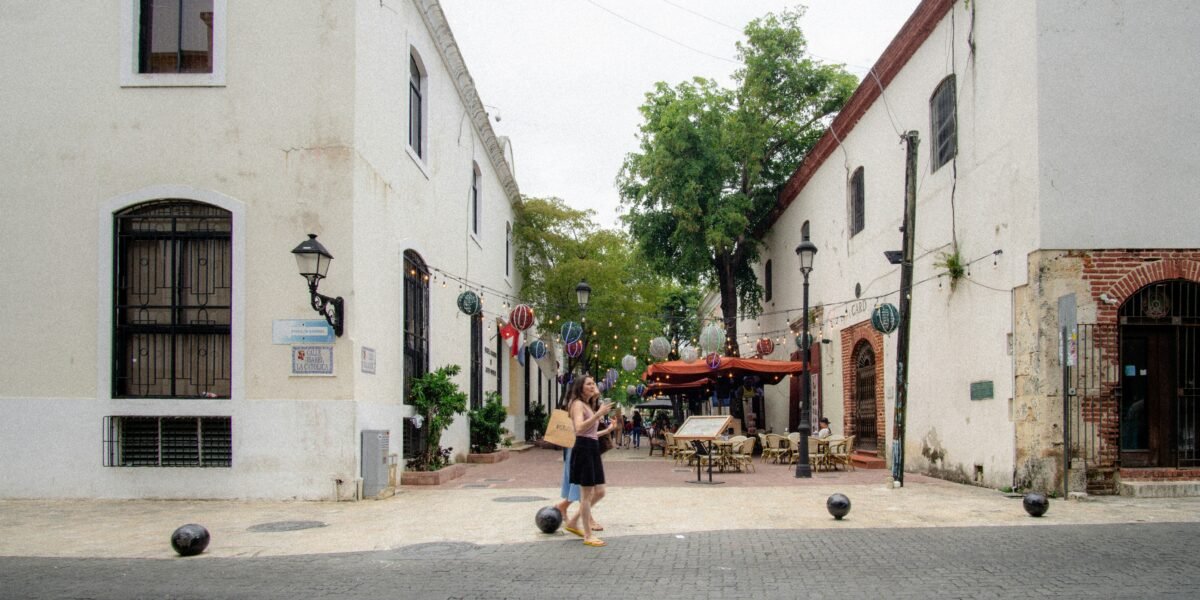
Security is a legitimate diligence item for any Caribbean market, and the statement addresses it directly: continued focus on citizen security and police reform has driven measurable improvements in public safety over the past two years. The report is careful to note this alongside the fact that crime remains a daily concern for residents in some areas — which is exactly why location within the country matters as much as the country itself, and why tourism-anchored, master-planned corridors like Bayahíbe–Dominicus behave differently from dense urban centers.
What does the report also flag — and why is it worth reading in full?
A credible source doesn’t just tell you what you want to hear, and neither does this one. The same statement notes that investors continue to report bureaucratic delays, inconsistent enforcement of existing regulations, and — specifically relevant to property buyers — weak land tenure enforcement in some parts of the country. None of that is unique to the Dominican Republic among emerging real estate markets, but it’s precisely why the fundamentals of any individual purchase matter more than the country-level headline: a clean, registered title; a developer with an established, verifiable construction track record; and independent legal counsel reviewing the ownership structure before any funds move.
How do you turn Country-Level Data into a Due-Diligence checklist?
The Investment Climate Statement is written for institutional and corporate investors, but the same questions apply at the level of a single condo purchase. Before committing capital to any Dominican Republic property, it’s worth confirming:
The property has a registered, titled deed — not a promise of future titling.
The developer has a construction track record you can verify independently, ideally outside the Dominican Republic as well.
You’re working with independent legal counsel, not only counsel introduced by the seller.
The project sits within a formally planned, protected corridor rather than informal or contested land.
Pricing, delivery timelines and rental projections are documented in writing, not verbal.
Where does BECCA fit into this picture?
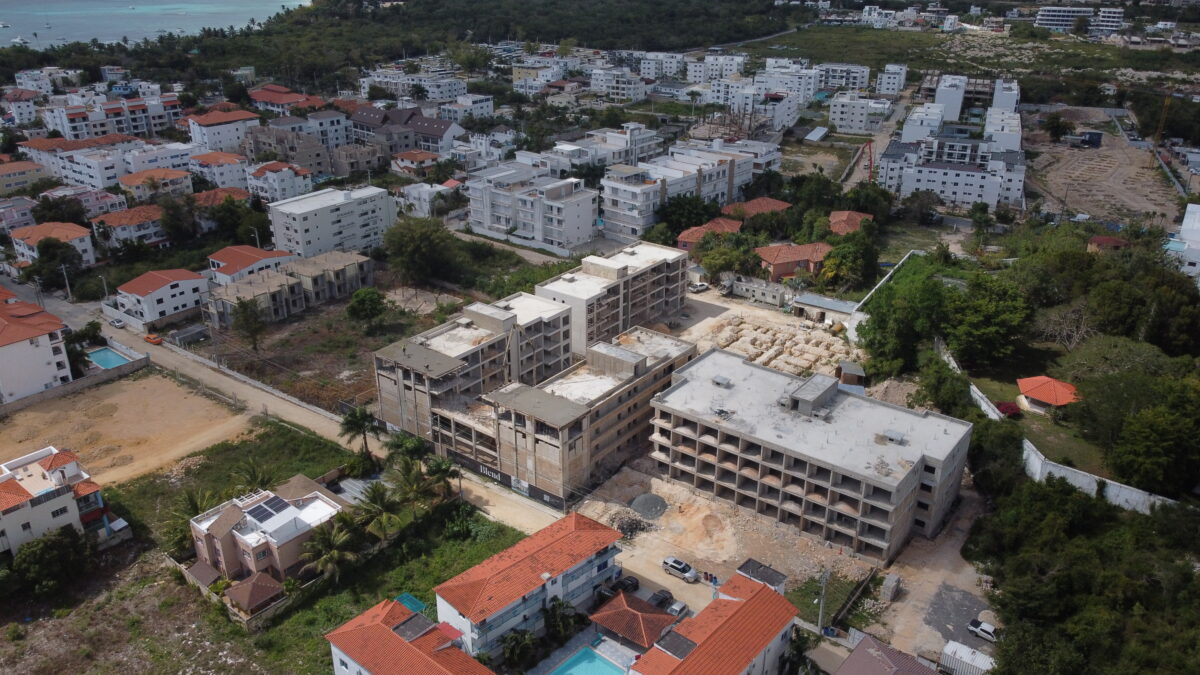
This is the same due-diligence lens we apply to how BECCA is structured. BECCA is the Caribbean development arm of Grupo Gritt, the team behind BERLIN in Argentina, and every project is built on comprehensive urban planning within the protected coastal corridor of Bayahíbe–Dominicus rather than informal or piecemeal development. For a fuller look at why this specific corridor — and BECCA’s approach to it — stands out for U.S. investors, see our overview: Why the Dominican Caribbean Is Redefining Real Estate Investment. Projects like THE DON DOM bring registered titling, a verifiable developer track record and move-in-ready delivery together in a single asset — the exact fundamentals the U.S. government’s own guidance points investors toward.
If you’d like to review current pricing, availability and title documentation for a specific unit, schedule a call with our team.

Frequently Asked Questions
Is the Dominican Republic considered a safe country to invest in?
According to the U.S. Department of State and Commerce ITA’s 2025 Investment Climate Statement, the Dominican Republic has posted strong, sustained GDP growth, ranks among the top FDI destinations in the Caribbean, and benefits from CAFTA-DR investor protections. The report also flags bureaucratic and land-tenure enforcement challenges in some areas, which is why verifying a specific property’s title and a developer’s track record matters as much as the country-level outlook.
Can U.S. citizens legally own property in the Dominican Republic?
Yes. Dominican law generally allows foreign buyers, including U.S. citizens, to purchase and hold property with the same rights as Dominican citizens. No local partner or special corporate structure is required simply to buy residential real estate, though independent legal counsel is still recommended to review title and ownership documentation for each specific purchase.
Does the U.S. government offer any protection for real estate investors in the Dominican Republic?
There is no government insurance for individual residential property purchases. However, the Dominican Republic’s participation in CAFTA-DR gives foreign investors from member countries, including the U.S., access to formal dispute-resolution mechanisms not available in markets without such an agreement — one of the reasons the U.S. Investment Climate Statement highlights CAFTA-DR as a structural advantage for investors.