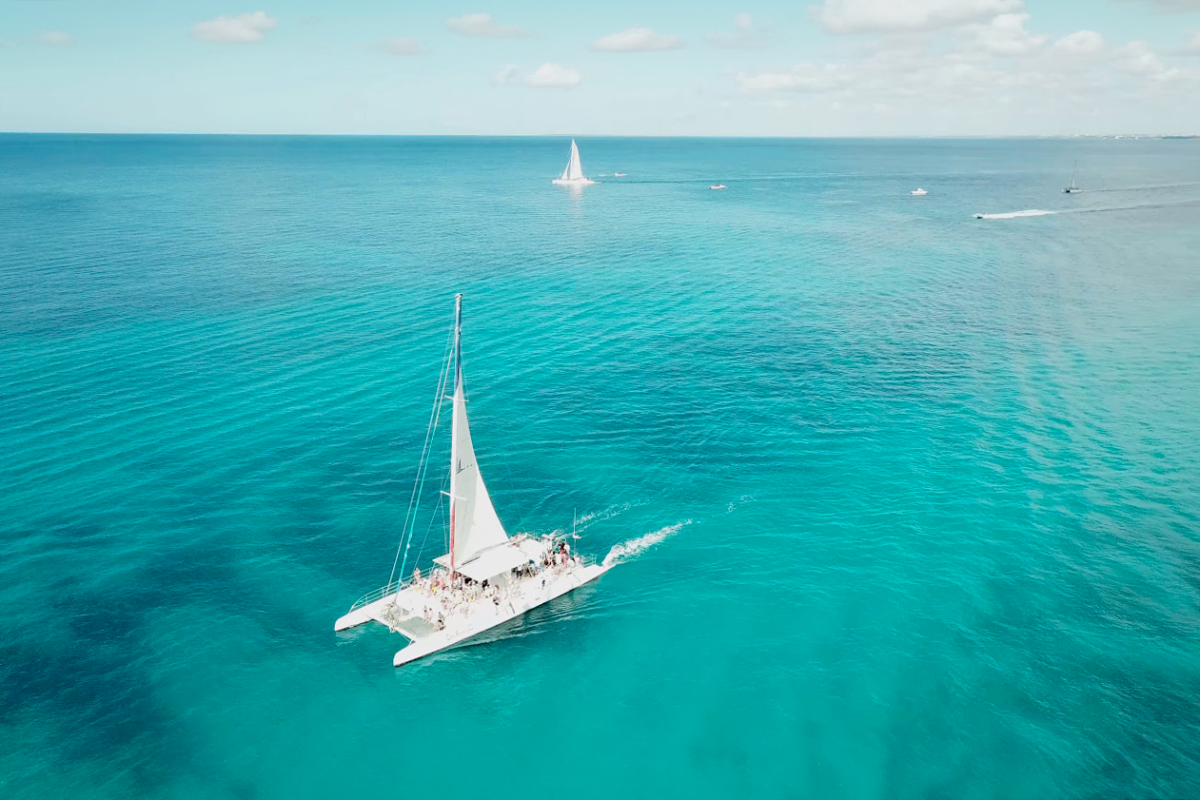
When evaluating international real estate, sophisticated investors look beyond immediate rental projections and pre-construction pricing. They examine long-term resilience: how well a destination resists overbuilding, preserves its natural assets, and maintains high-tier demand over decades. For anyone weighing a Bayahibe real estate investment, this long view matters as much as the numbers on a spreadsheet.
In high-growth coastal corridors, sustainability is no longer just an environmental stance — it is a structural barrier to entry that safeguards property values. According to research from Market Research Future (MRFR), the global sustainable tourism market is projected to exceed $1.5 trillion, demonstrating that conscious travel demand is driving sector expansion. In the protected coastal corridor of Bayahíbe–Dominicus, sustainable urban planning directly underpins asset appreciation and foreign capital security for U.S. investors.
Why Does Land Scarcity Drive Long-Term Appreciation in Bayahíbe–Dominicus?
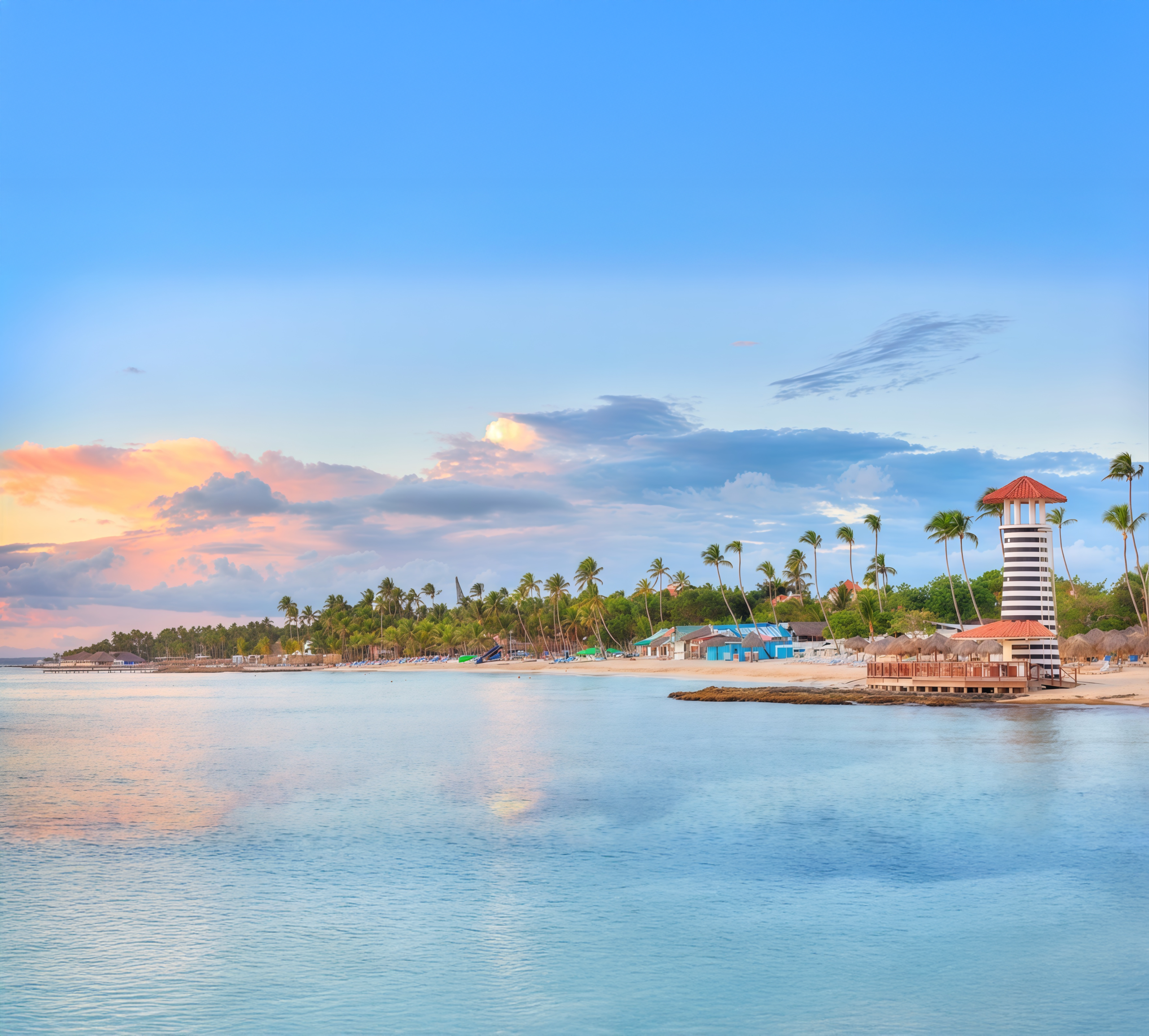
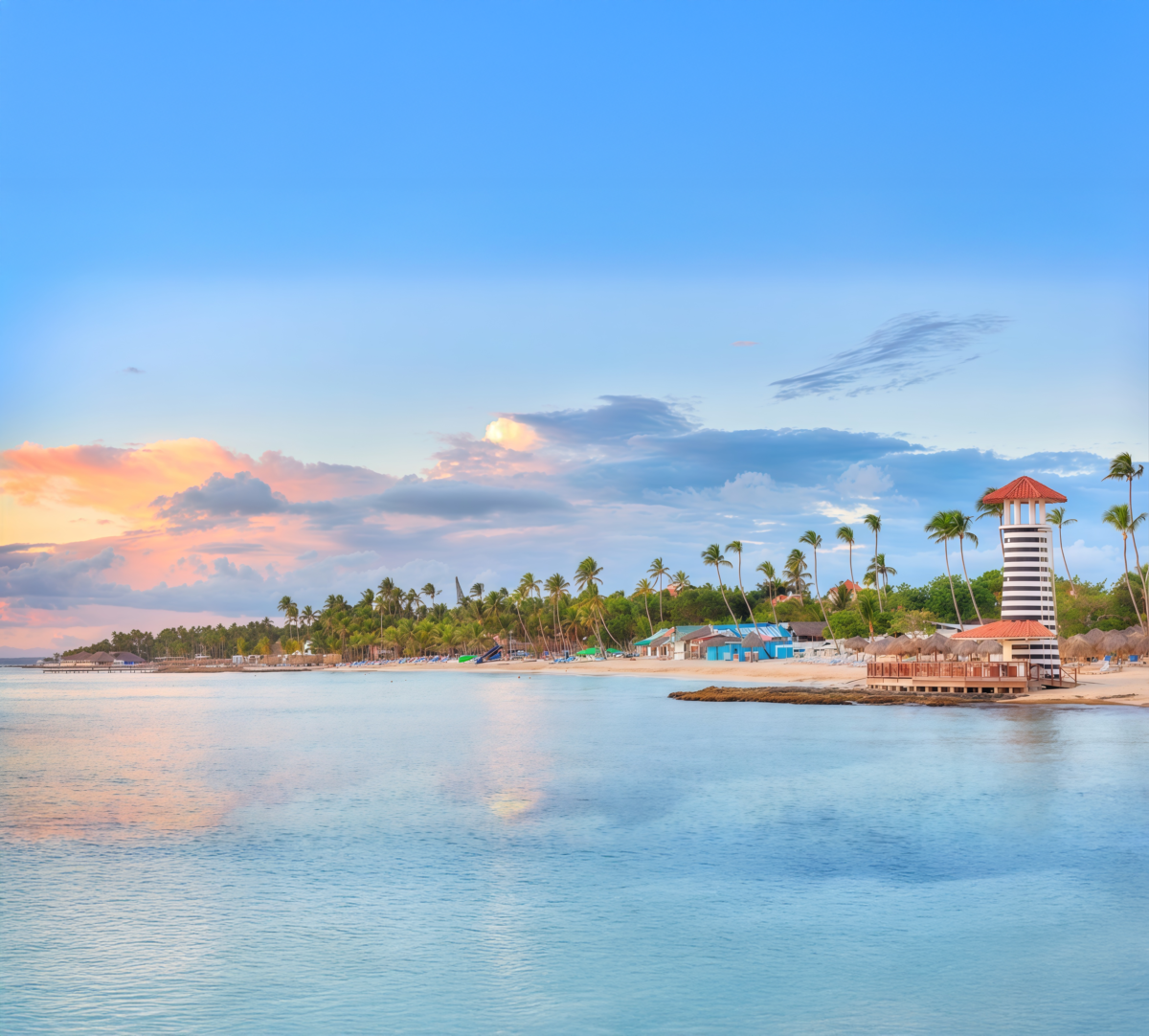
Unlike sprawling resort destinations that face continuous land inflation and oversupply, developments along the Bayahíbe–Dominicus coast operate within strict spatial boundaries. Bordered by protected marine parks and the Cotubanamá National Park, this corridor offers finite, highly sought-after buildable land.
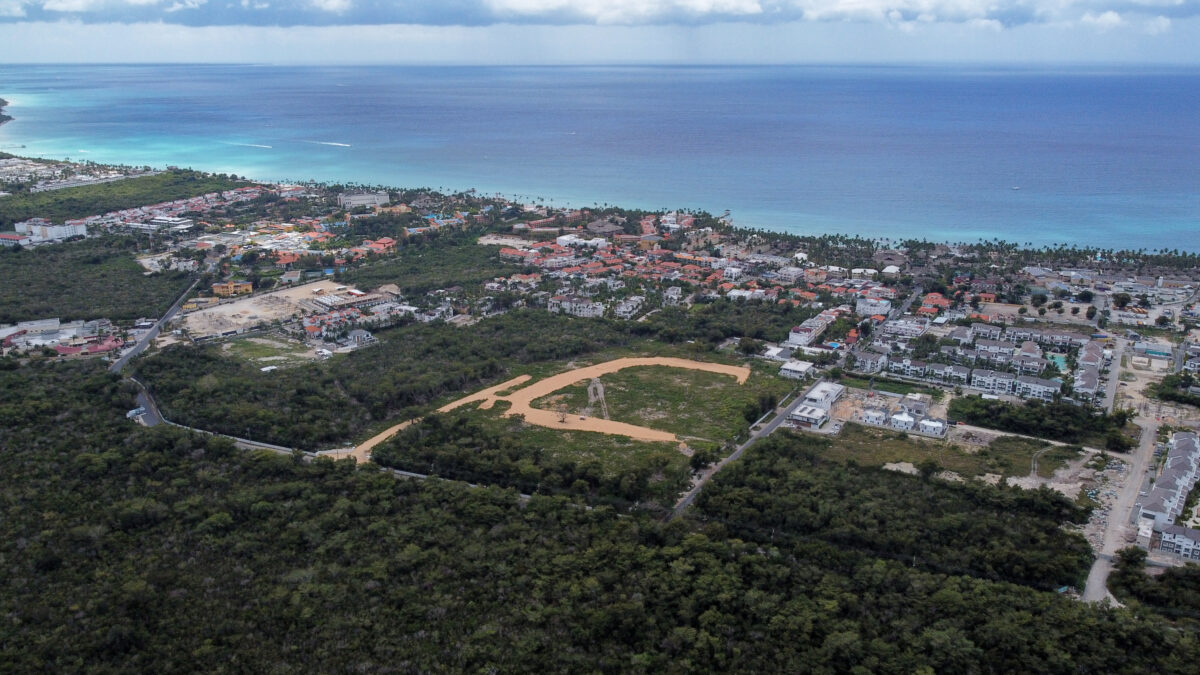
Integrating master-planned residential communities within a protected natural setting prevents unchecked, high-density overdevelopment. For investors, this dynamic matters: supply constraints combined with rising global demand can support long-term capital appreciation. This balance between environmental preservation and strong financial performance is a core reason why the Dominican Caribbean is redefining real estate investment.
What Drives Premium Demand Among Eco-Conscious Travelers?
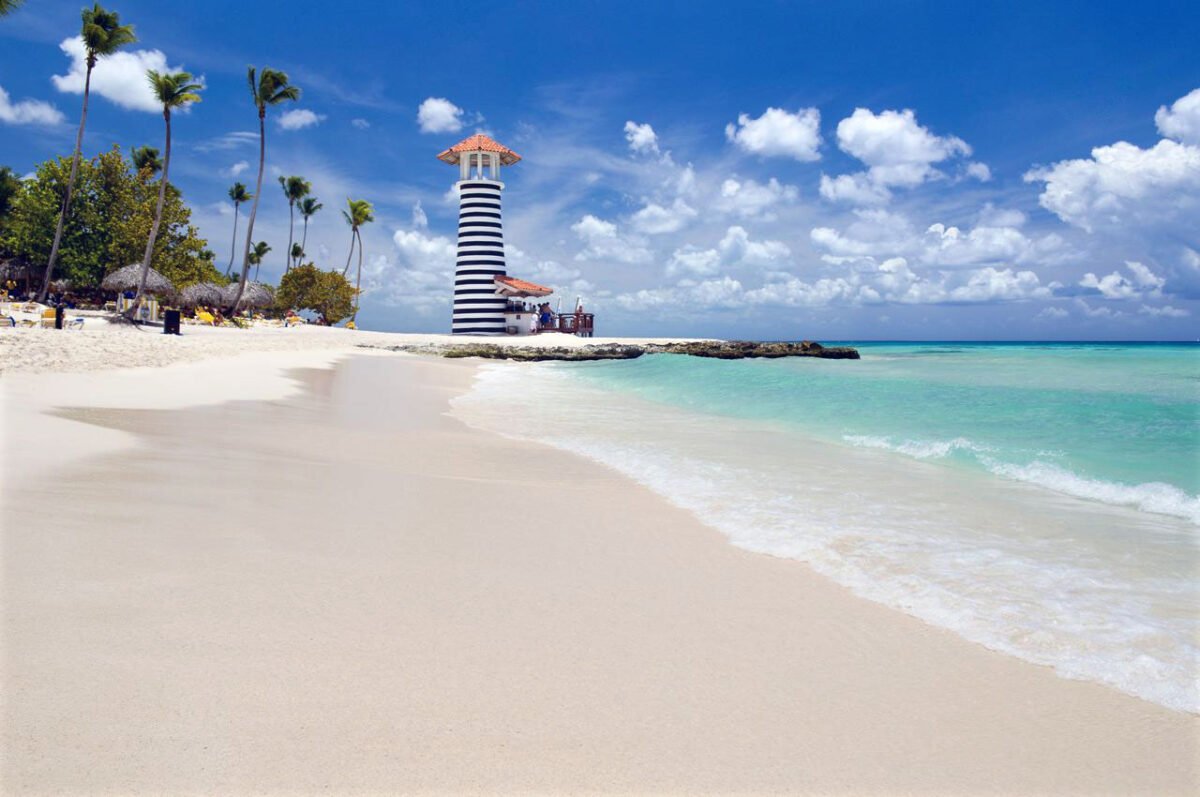
International travel trends show a clear shift: premium vacationers increasingly choose low-impact, design-forward accommodations over dense, mass-tourism mega-resorts. Reports from the UN Tourism World Tourism Barometer confirm a sustained preference among international travelers for destinations adhering to sustainable management criteria. In Bayahíbe — famous for its Blue Flag certified beaches and pristine diving reefs — well-positioned properties may command competitive average daily rates (ADR) and benefit from more consistent occupancy patterns. Actual returns will vary by property, management and market conditions.
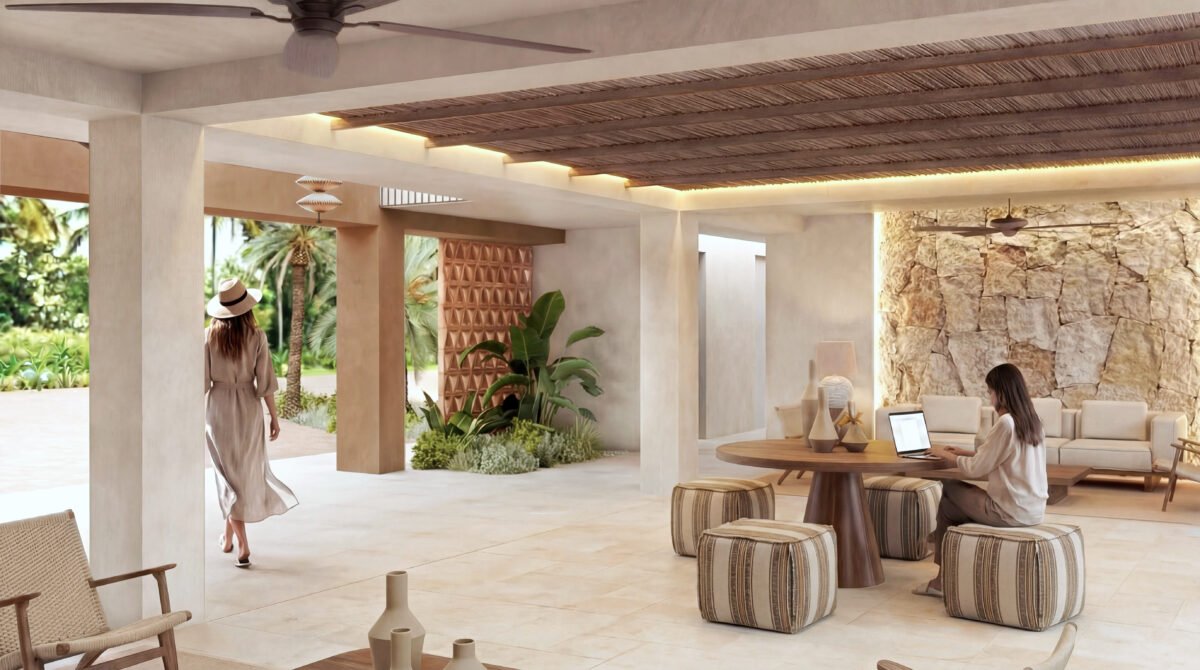
Designing around the natural landscape rather than against it yields measurable operational benefits:
- Bioclimatic Design: Optimizing air flow and shade reduces air conditioning loads and long-term utility expenses.
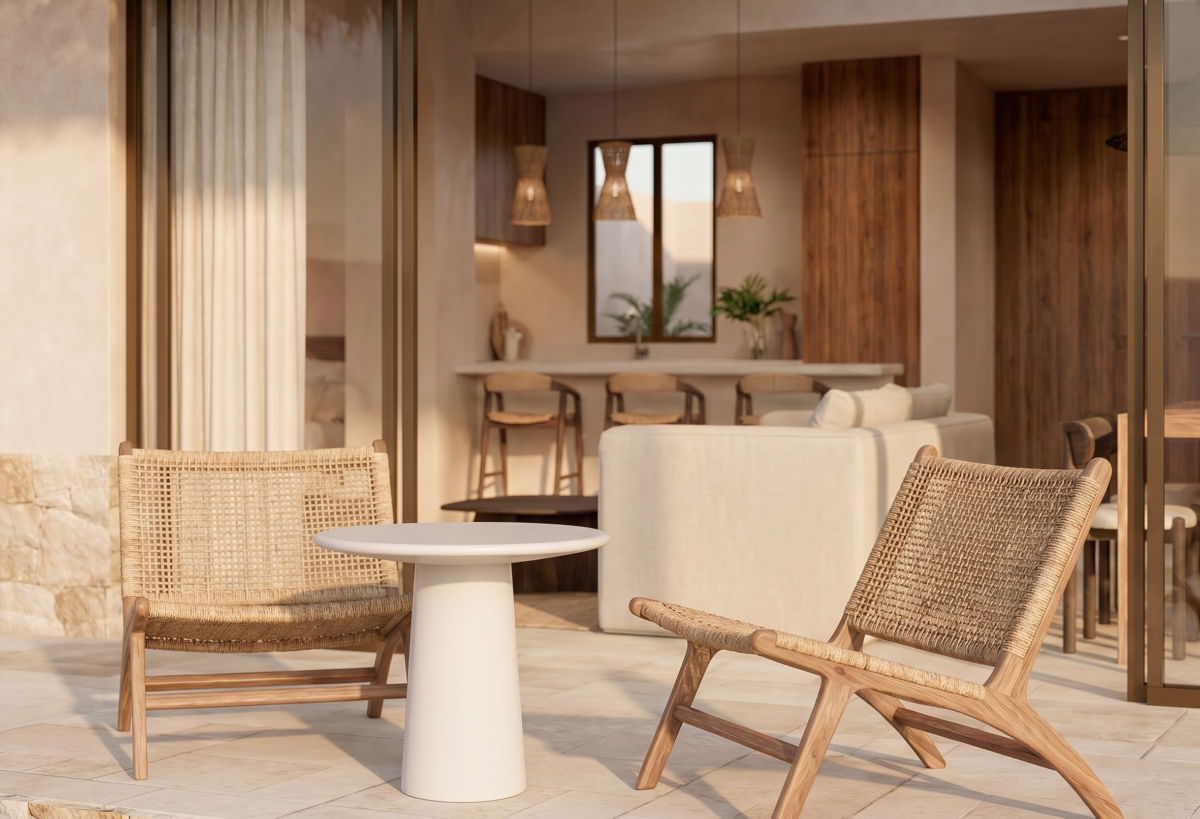
- Global Standard Interiors: Partnering with European design houses like Cuarto Interior and installing Aran Cucine kitchens delivers hospitality-grade finishes that withstand tropical climates while appealing to discerning global renters.
- Turnkey Efficiency: Fully finished, move-in-ready units eliminate post-delivery waste and costly renovation cycles, allowing assets to enter the rental market immediately.
How Does Master Planning Reduce Long-Term Market Risk?
Sustainable development extends beyond green building materials, it encompasses legal, structural, and urban stability. A project built on piecemeal development or contested land carries elevated risk regardless of environmental claims.
True investment safety requires developing within formally planned, environmentally regulated corridors, backed by clean title deeds and transparent legal frameworks. Global frameworks like the Global Sustainable Tourism Council (GSTC) Criteria set the industry benchmark for what responsible, long-term coastal development looks like, a useful lens for evaluating any market. As detailed in our review of what official U.S. government data reveals about real estate safety in the Dominican Republic, institutional investors prioritize markets with robust land-tenure enforcement and bilateral protections like CAFTA-DR.
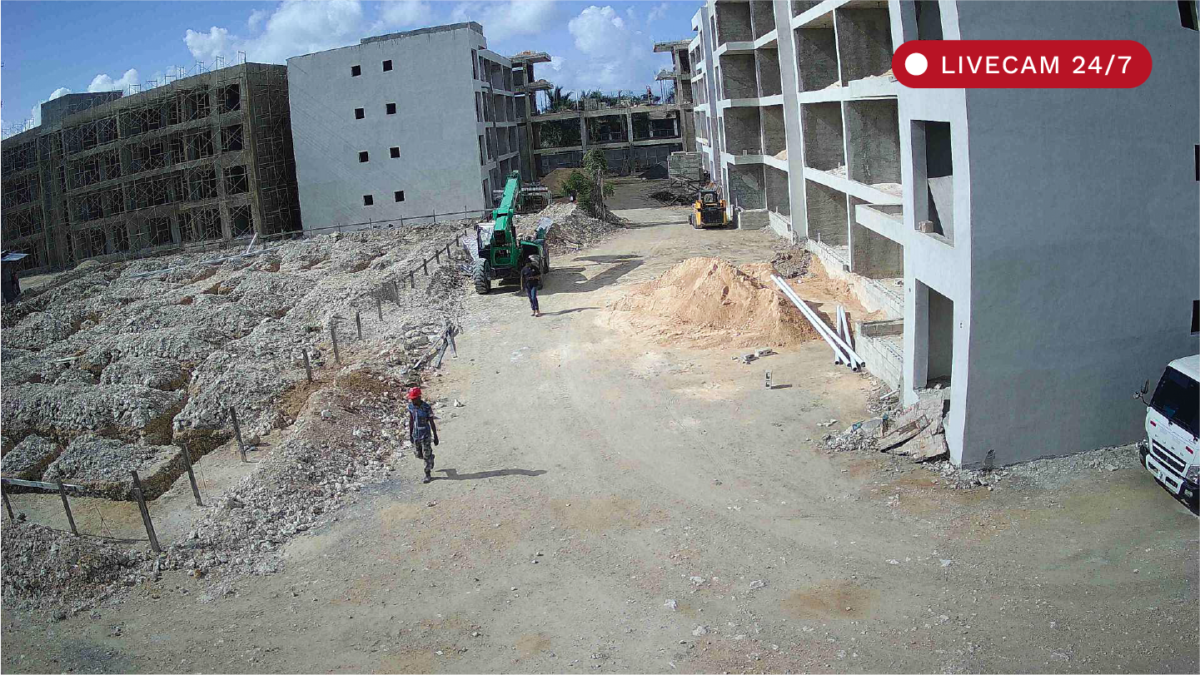
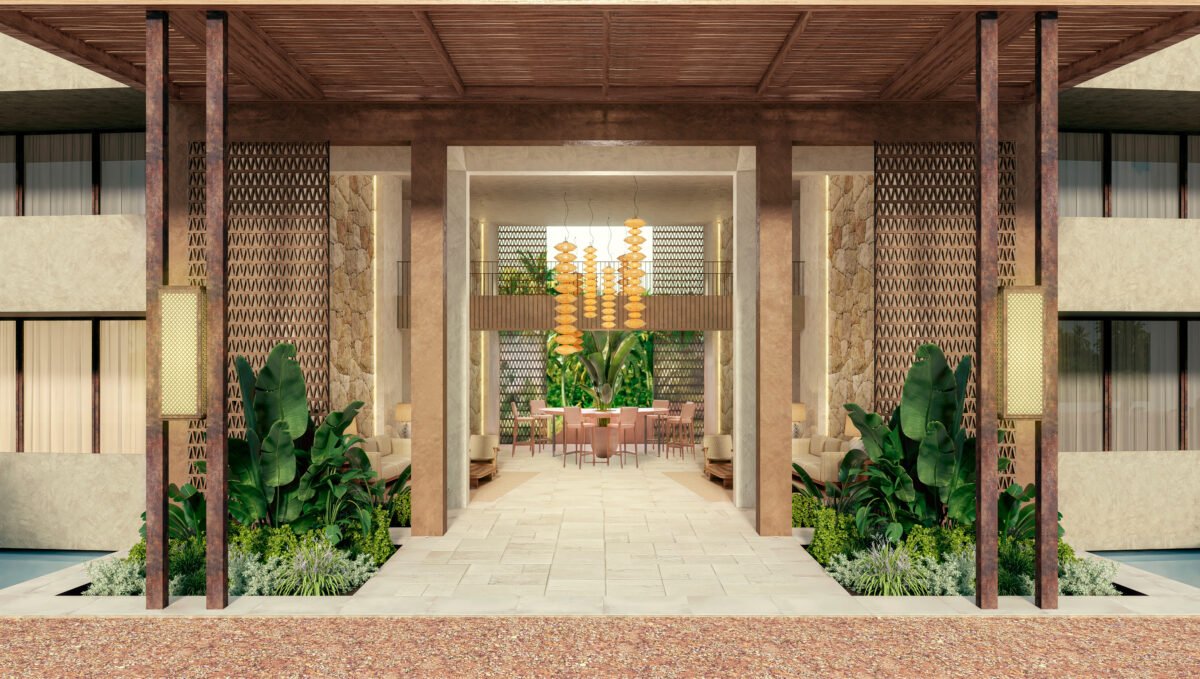
At BECCA, the Caribbean development arm of Grupo Gritt, master planning is guided by these same principles of environmental stewardship and long-term resilience. Projects like THE DON DOM are designed with low-density architecture, eco-conscious spatial planning, and move-in-ready delivery in mind, built to align with, rather than claim, the sustainability standards shaping the region’s future.
Building for the Next Generation of Capital
At BECCA, the Caribbean development arm of Grupo Gritt, sustainability is woven into master planning from day one. Projects like THE DON DOM reflect a commitment to low-density architecture, eco-conscious spatial planning, and move-in-ready delivery designed for global investors.
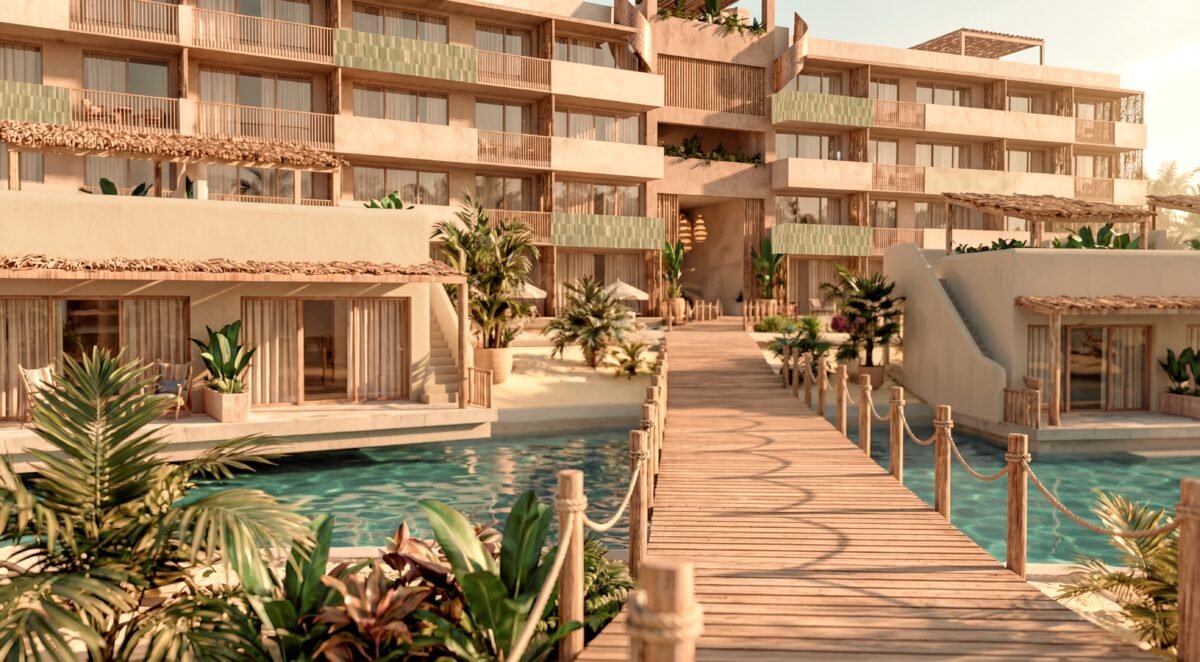
By combining environmental respect with rigorous urban planning and verifiable legal structures, sustainable real estate in Bayahíbe–Dominicus can offer U.S. buyers a compelling hedge: potential cash flow supported by long-term asset value.
In Summary
Sustainable urban planning in Bayahíbe–Dominicus works as a structural advantage for real estate investors, not just an environmental commitment. Finite, protected land limits future oversupply; eco-conscious travelers increasingly favor low-density, design-forward properties; and formally regulated master planning reduces the legal and structural risks that can undermine long-term value. Together, these factors position a well-planned Bayahibe real estate investment — like THE DON DOM — to weather market cycles better than denser, less-regulated coastal developments.
Frequently Asked Questions
Is a Bayahibe real estate investment a good idea for U.S. buyers?
Bayahíbe’s protected coastal corridor limits large-scale overdevelopment, which is one of the reasons investors view it as a well-positioned market. Its Blue Flag beaches, proximity to Cotubanamá National Park, and growing demand from eco-conscious travelers support well-positioned properties. That said, this is not a guarantee of returns: actual results vary by property, management, and market conditions, and prospective buyers should conduct independent due diligence before investing.
What makes sustainable developments different from typical resort real estate?
Sustainable, master-planned developments are built within legally regulated, environmentally protected boundaries rather than expanding without limits. Bioclimatic design, globally sourced finishes, and turnkey delivery can support lower operating costs and stronger appeal to global renters.
Are foreign buyers protected when purchasing real estate in the Dominican Republic?
The Dominican Republic offers legal protections for foreign investors, including clean title deed requirements and trade frameworks such as CAFTA-DR. Developments built on formally planned, transparently titled land help reduce legal risk.
What is THE DON DOM?
THE DON DOM is a project by BECCA, the Caribbean development arm of Grupo Gritt, built around low-density architecture, eco-conscious spatial planning and move-in-ready delivery in the Bayahíbe–Dominicus corridor.
How can I learn more about current pricing and availability?
Schedule a private consultation with BECCA’s investment team to review current pre-construction pricing and master plans for Dominicus.
Ready to explore current pre-construction pricing and sustainable master plans in Dominicus? Schedule a private consultation with our investment team.